
Home › Industries › Construction & technical trades
Construction & technical trades
Contractors and installation businesses staff projects with a mix of general labour and skilled trades. This page sets out the points that usually matter, without implying that people are available.
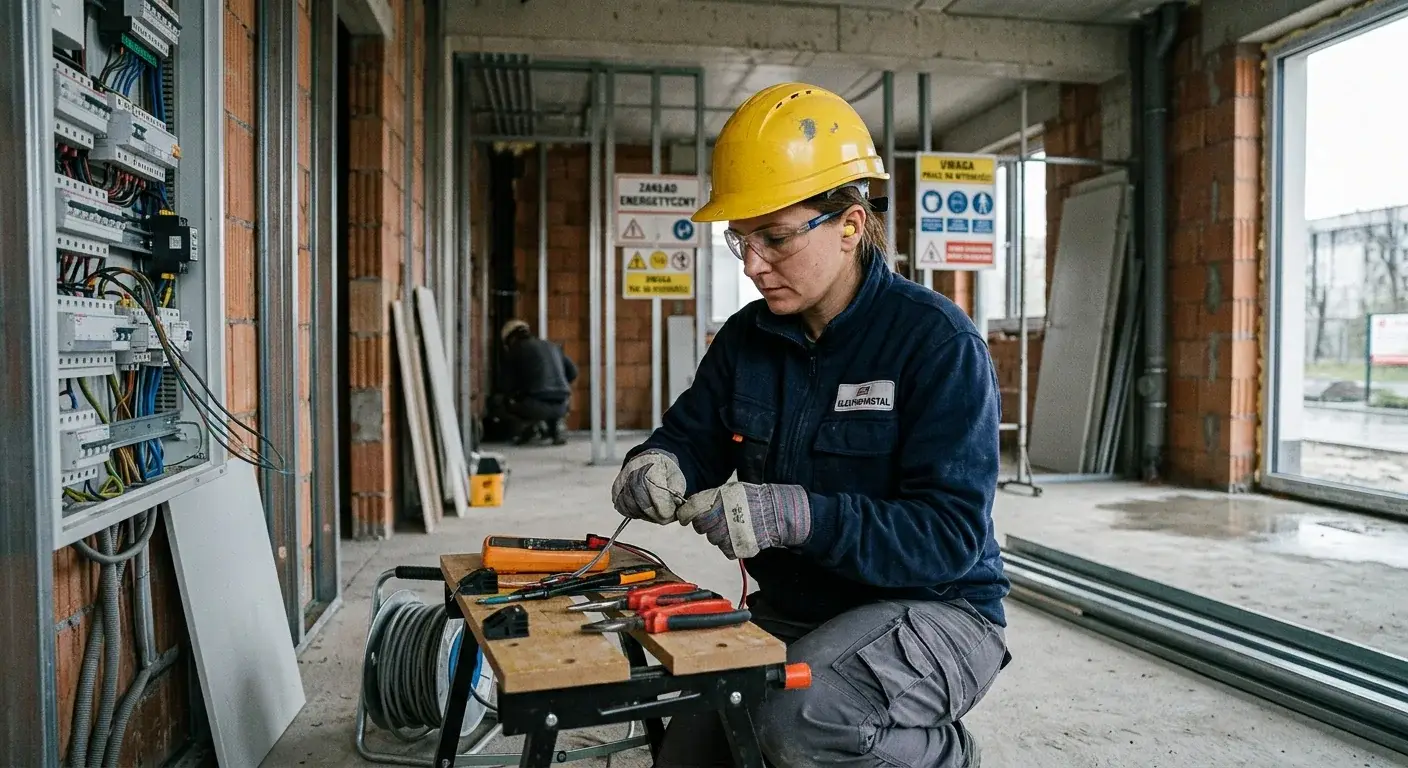
About this field of work
Construction work is project-based, often in several locations, and tightly regulated for safety. Whether the employer is a main contractor, a subcontractor or an installer affects responsibilities for pay, safety and documentation.
Roles often found in this field
- General site labourers
- Bricklayers, plasterers and finishers
- Carpenters and shuttering carpenters
- Steel fixers and scaffolders
- Plant and machine operators
- Electricians, fitters and installers
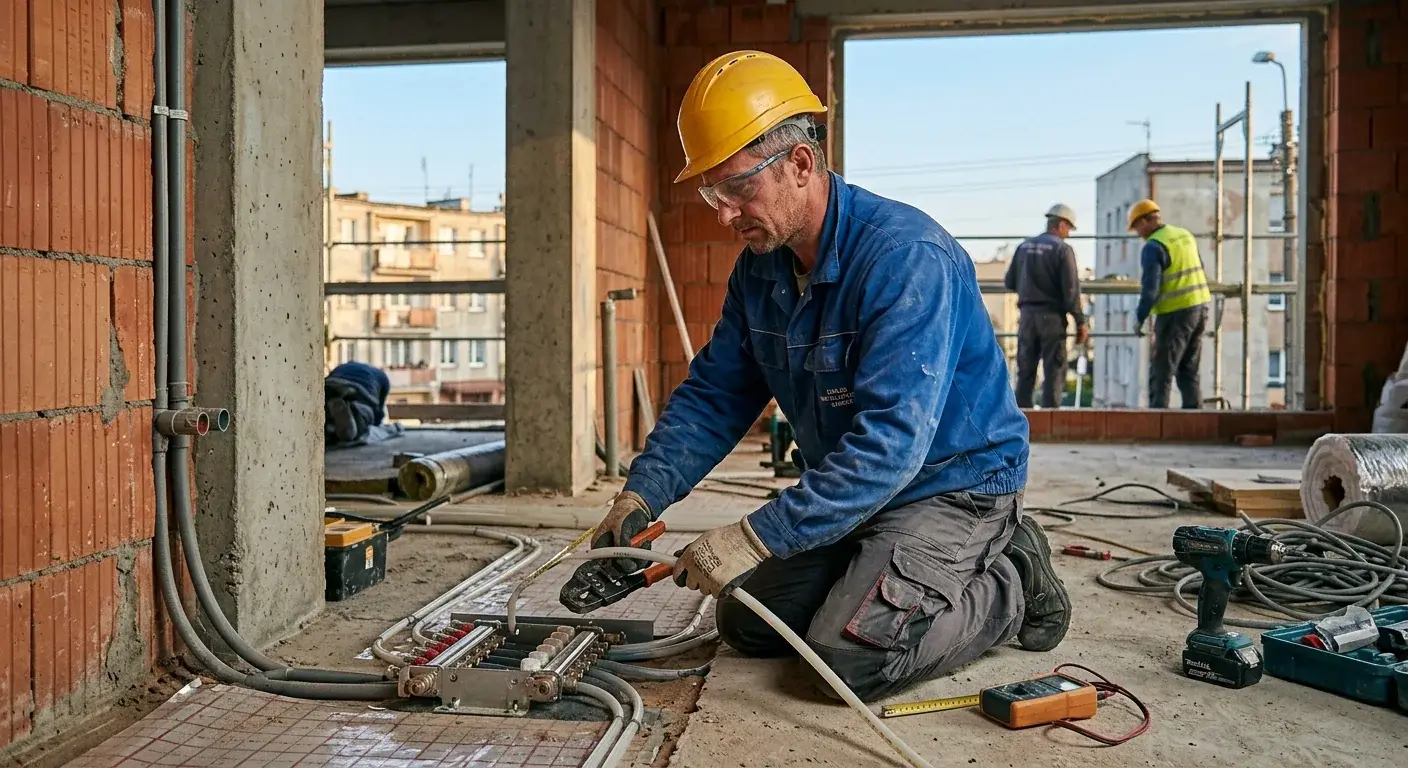
Questions worth settling
- Who is the employer on site?
- A main contractor, a subcontractor or an employment agency each carry different responsibilities. This also affects whether people are hired directly or posted.
- Safety cards and site tickets
- Many countries require a safety card or site induction before work. Is training arranged locally, and who pays for it?
- Language for safety
- Safety briefings, drawings and method statements are often in the local language. Decide what level is workable on your sites.
- Project length and moving sites
- Short projects and changing locations make housing and transport a larger part of the plan.
- Posted or locally employed?
- Posting rules, social-security documents and host-country pay conditions can apply. Take advice from the relevant authority.
Licences, certificates and regulated points
Some tasks legally require certificates or registration, and the rules depend on the country where the work happens. Check these with the competent authority:
- Regulated trades (for example electrical or gas work) may require local registration or recognition of qualifications
- Site safety cards and plant-operation certificates where required
- Documentation connected with posting, if workers are posted
Common questions
Does it matter whether workers are posted or hired directly?
Yes. The model affects who the employer is, which rules apply to pay and documentation, and who carries liability.
Does a regulated trade need local recognition?
Often. Recognition of qualifications for trades such as electrical work is handled by the authority in the country where the work takes place; check early because it can affect timing.
Keep exploring
Talk to us
You do not need a defined requirement to get in touch. Call or write to introduce your business, ask a question or talk through an idea.
Phone: +48 503 099 273
Email: careers@sinetgroup.pl